D[AI]TA: Designed a Smart Laundry Interface for a Connected Appliance.

✧ Background
& Goals
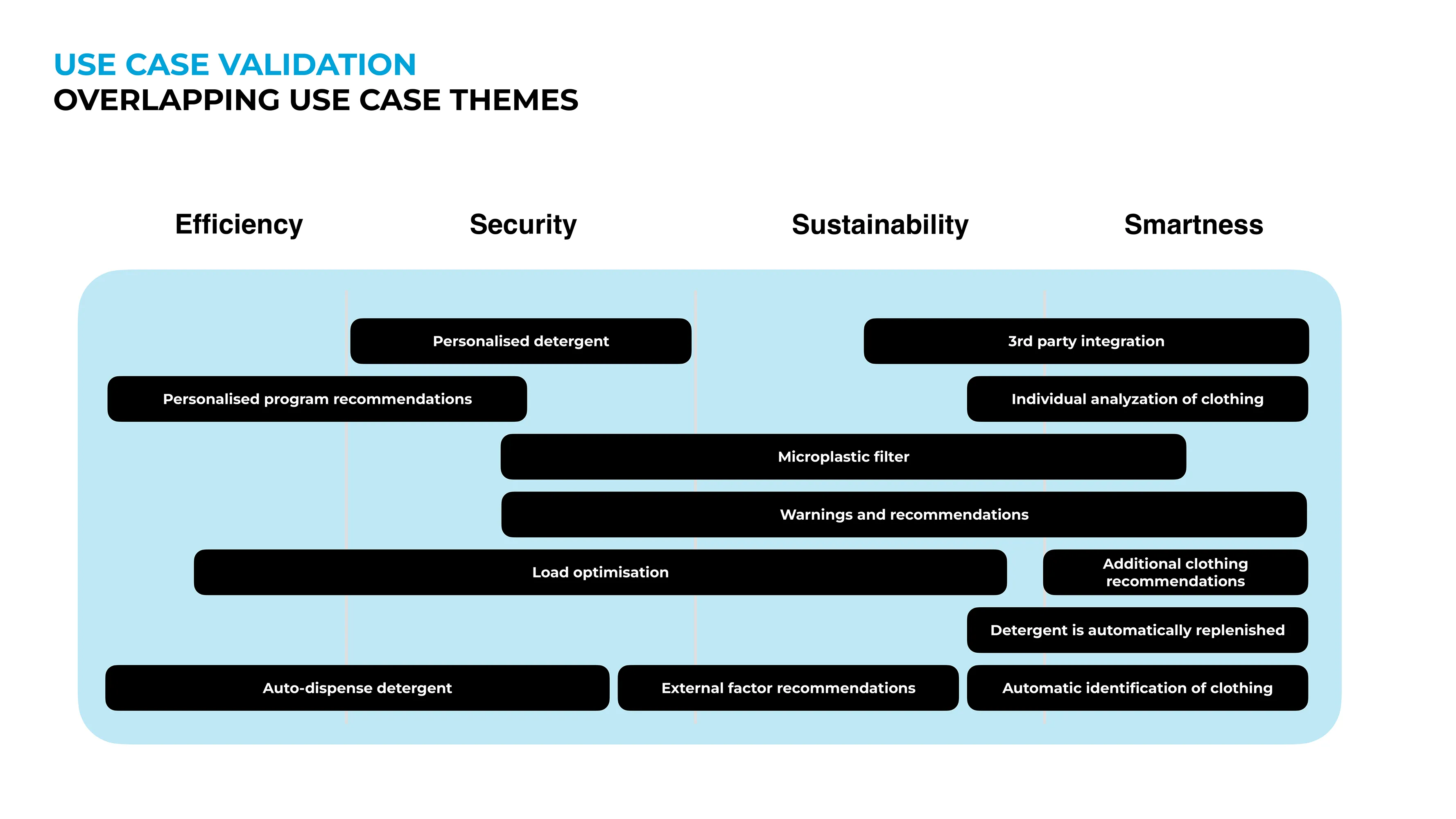
D[AI]TA was a smart laundry interface designed for connected washing machines, an innovation project at the crossroads of design, business and engineering, aiming to make laundry smarter, more sustainable and effortless. The challenge was to design an intuitive user interface that communicates data clearly and supports a system capable of detecting fabrics and load sizes. The goal was to turn a technical process into a human, seamless experience through clear visual hierarchy and meaningful motion, on the appliance small screen, without overwhelming the users with technical complexity.
- Design: Enhance user experience (based on real and not yet targeted user needs)
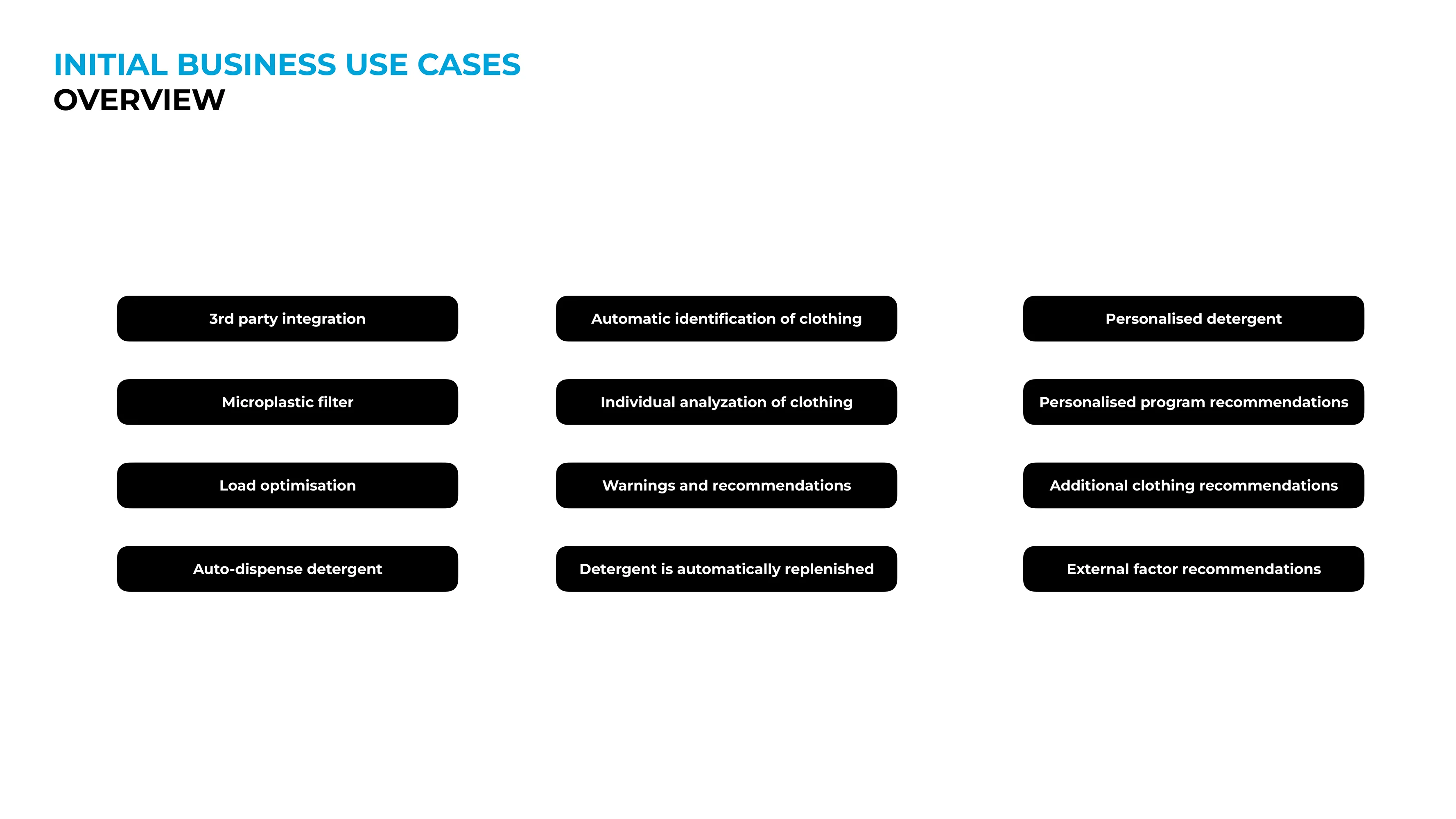
- Business: Emphasize added value (for potential business development in the D[AI]TA ecosystem)
- Engineering: Improve RFID technology (for a more compelling simulation based on consumer washing habits)
Challenges
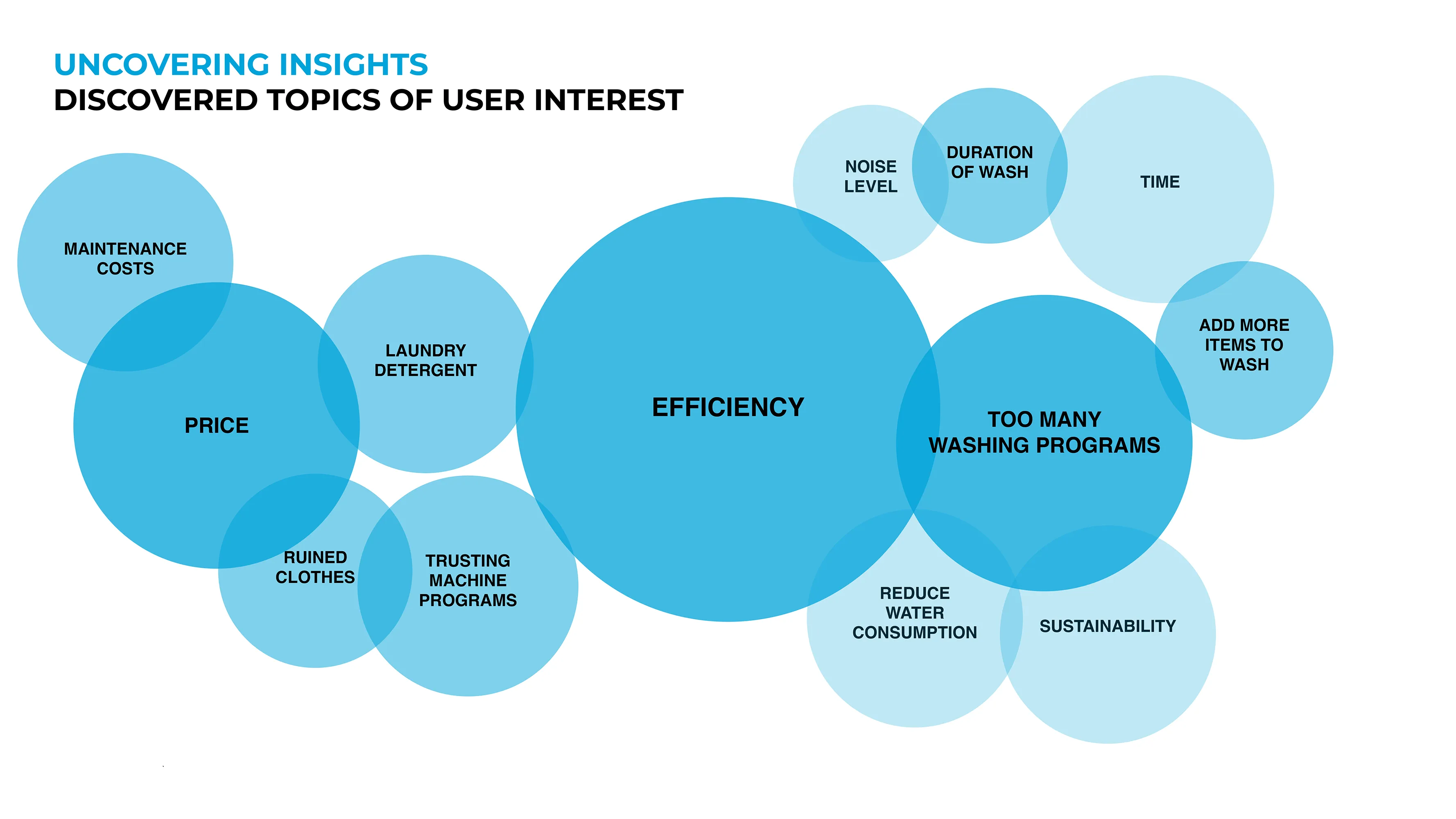
Laundry seems simple, but user research revealed a surprisingly high level of frustration:
- Users don’t trust washing programs they don’t fully understand
- Too many settings create decision fatigue
- Fear of ruining clothes leads to overly cautious (and inefficient) behavior
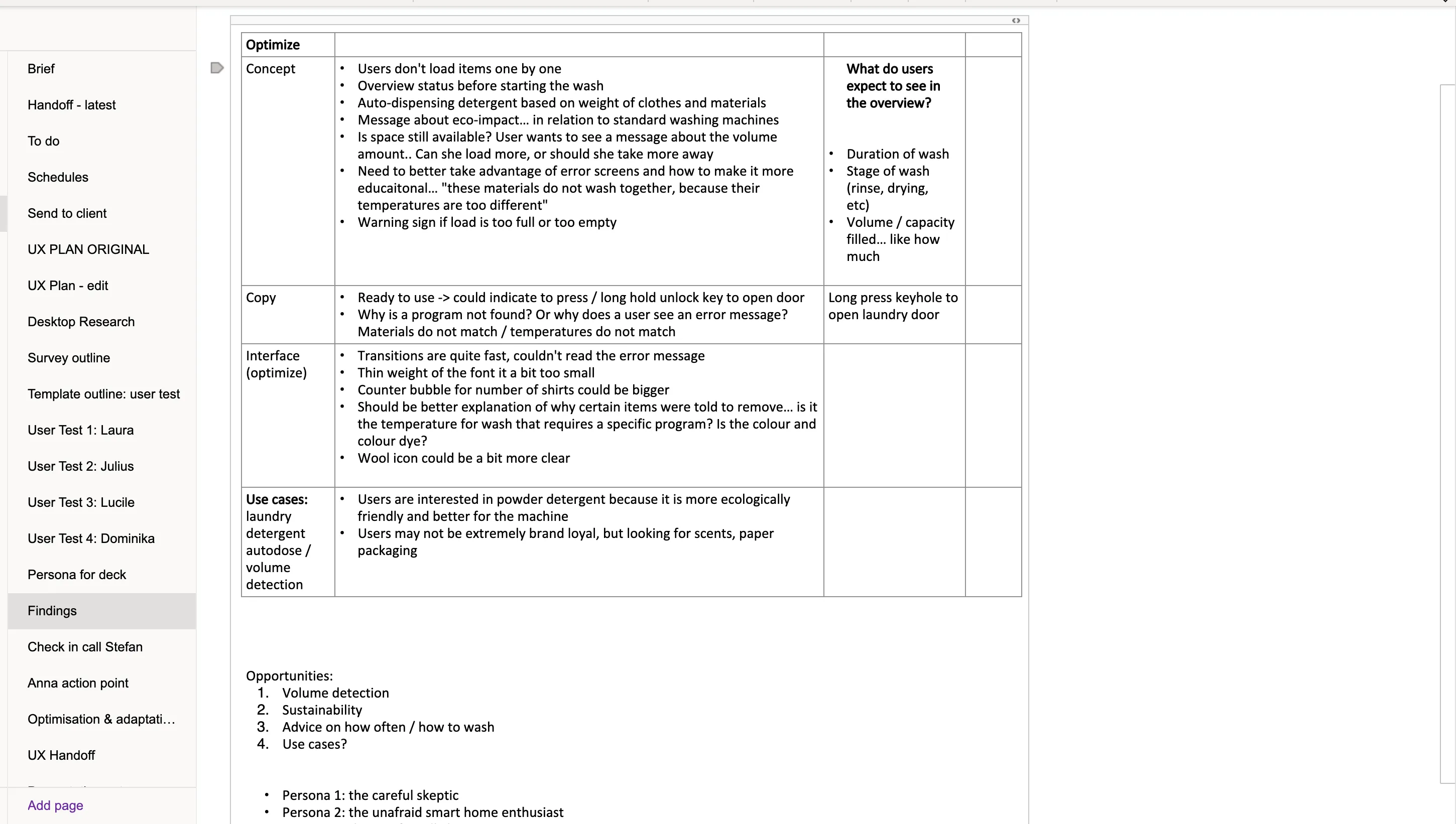
- Users often overfill or under-fill the drum, wasting water, time and energy
The challenge was to design an interface that:
- Guides users without requiring expertise
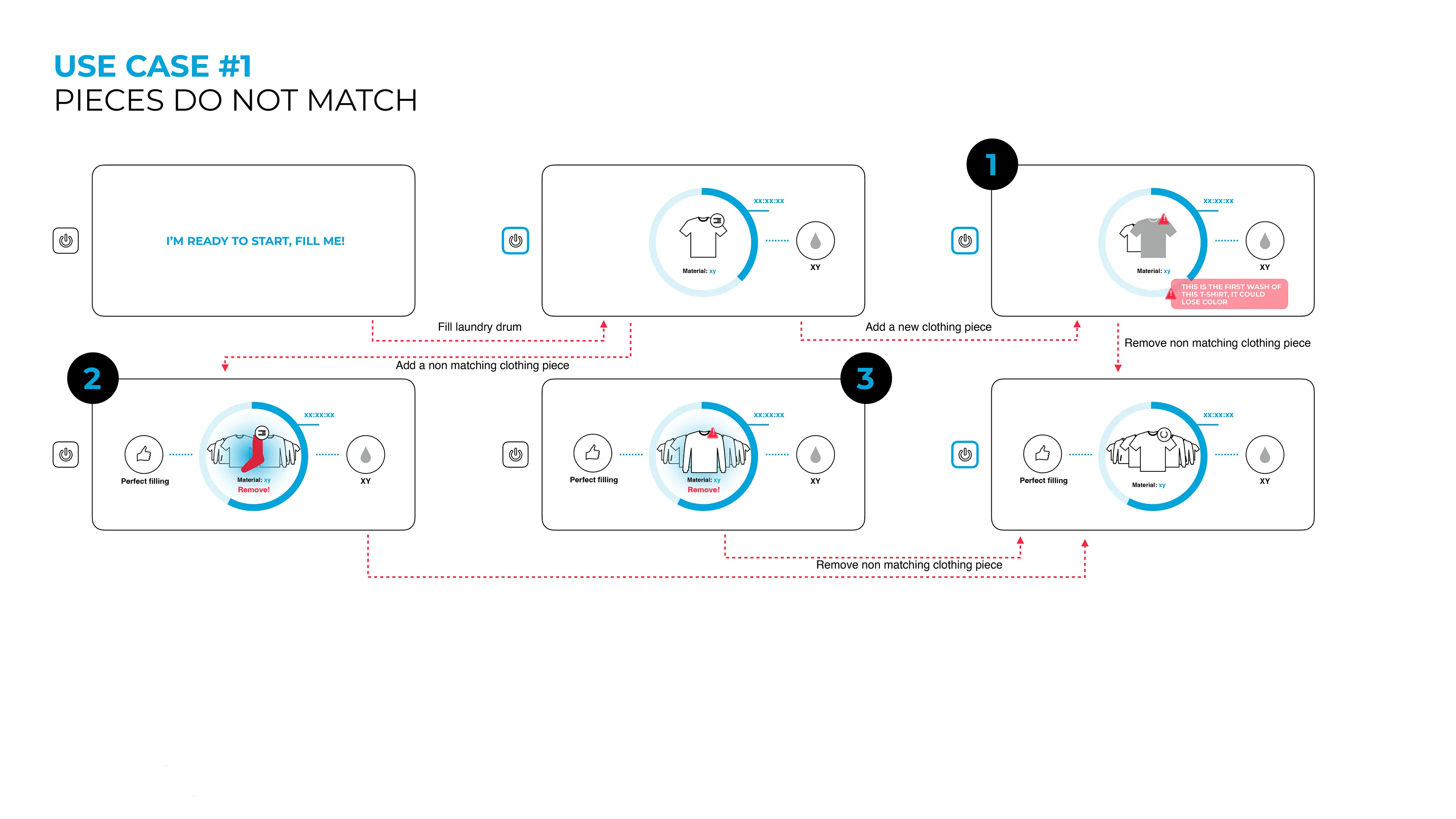
- Adapts to real-world behavior (mixed fabrics, partial loads)
- Encourages more efficient and sustainable use
✧ Research Process
& Discovery
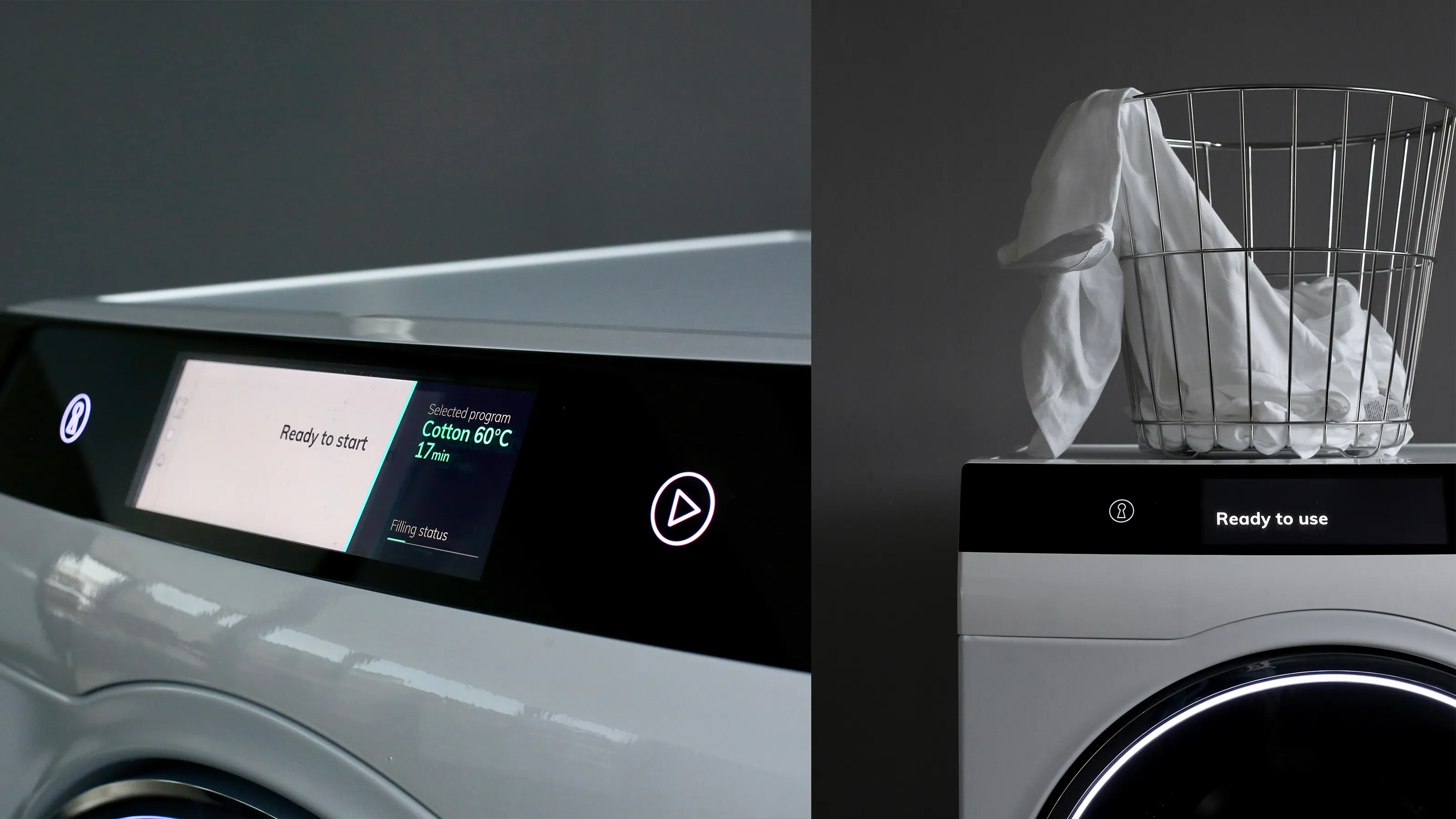
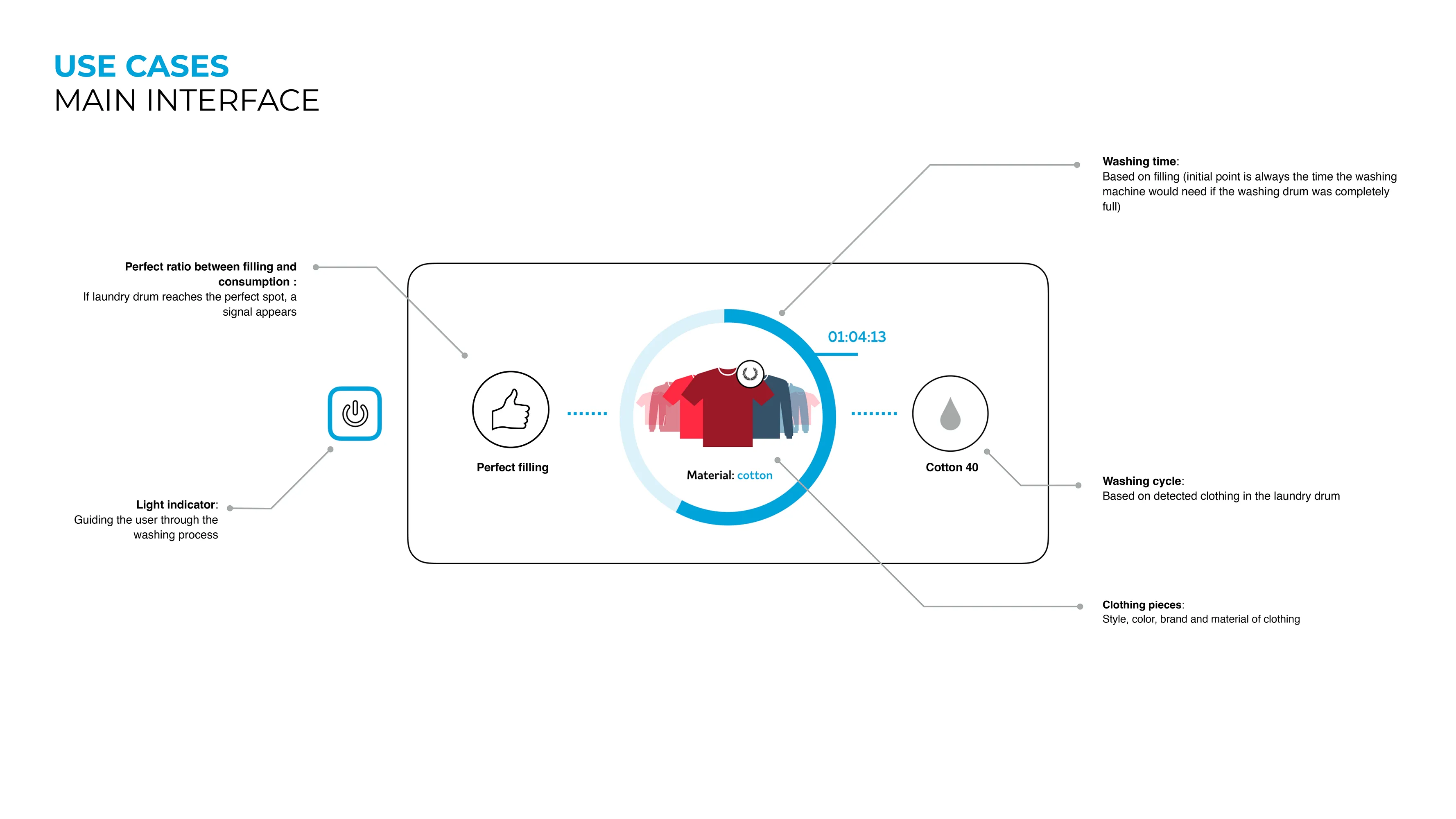
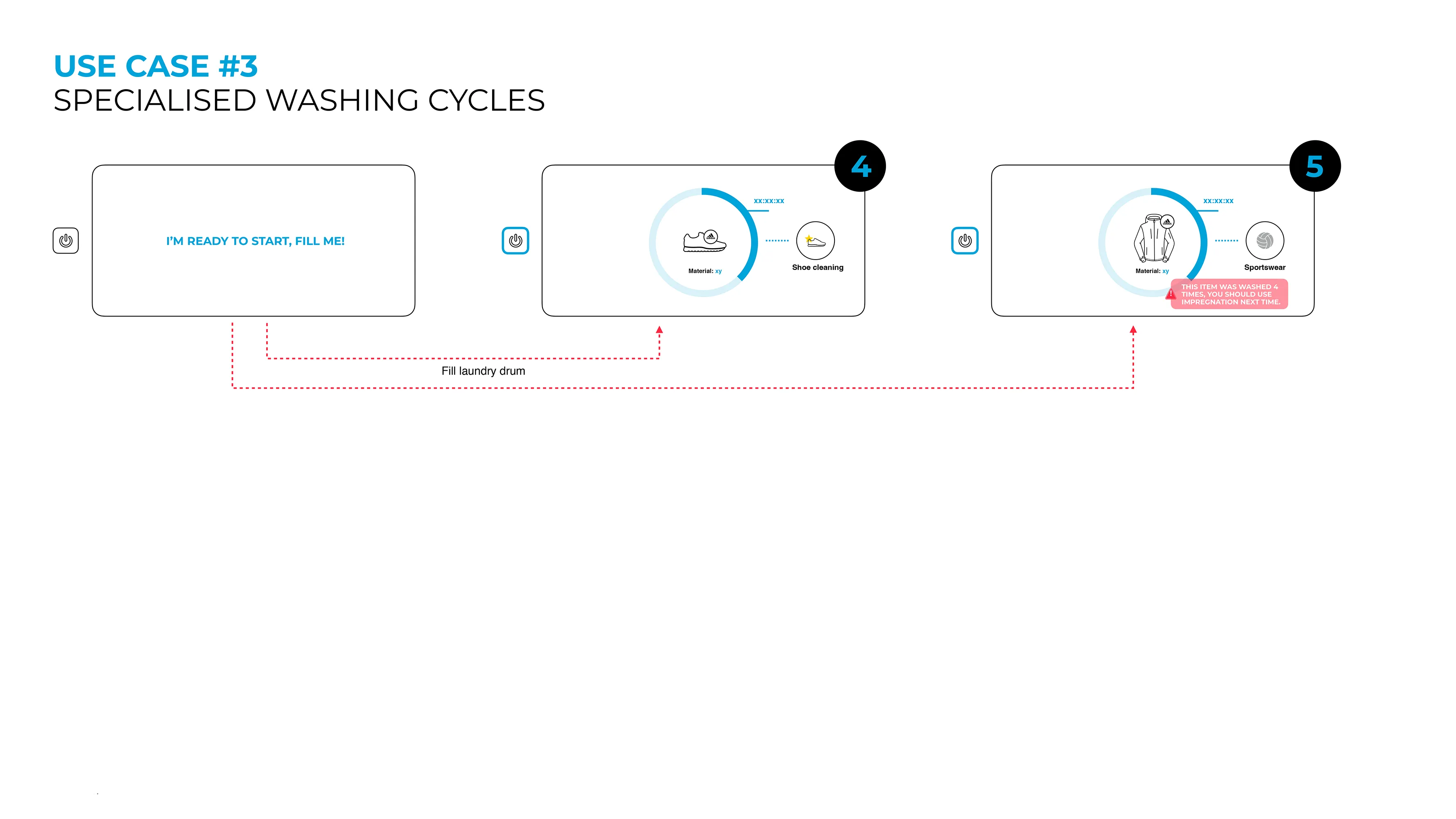
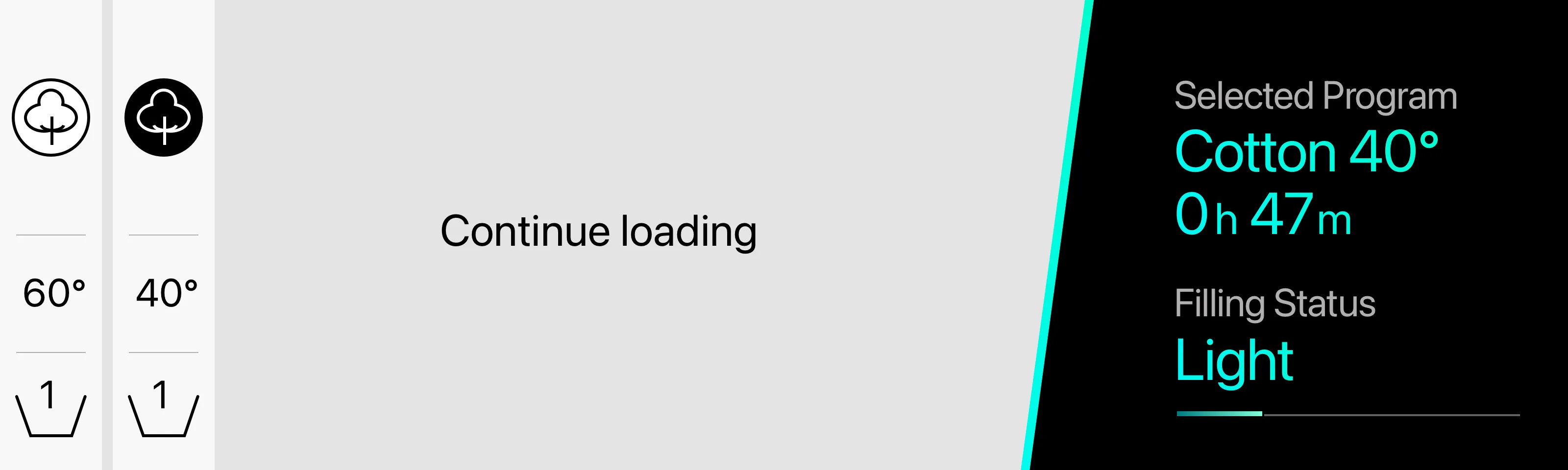
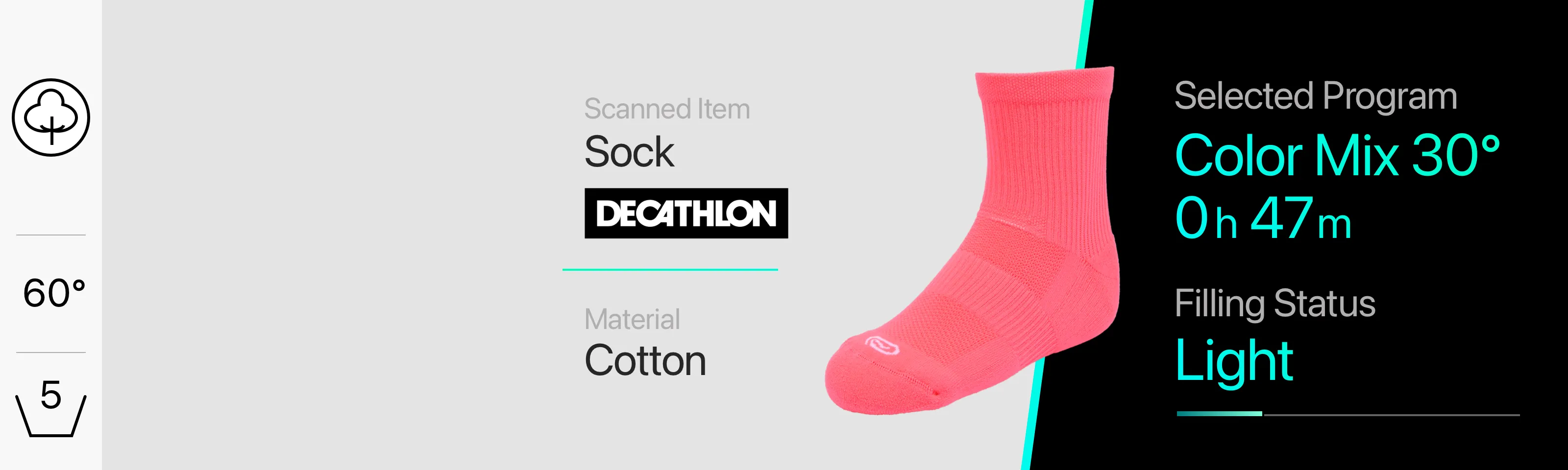
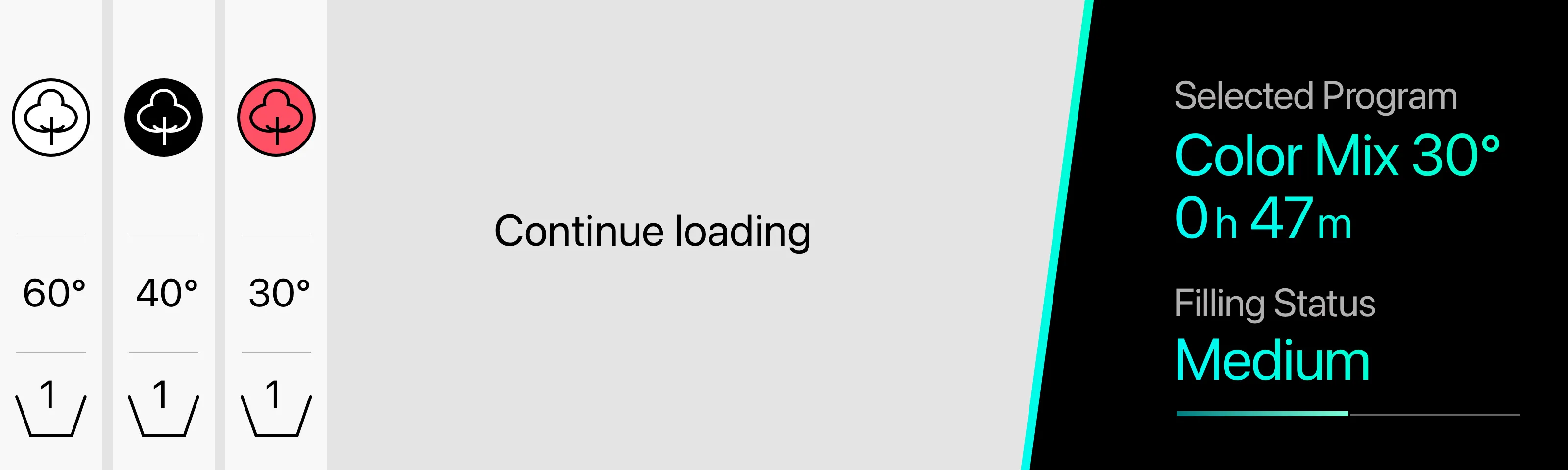
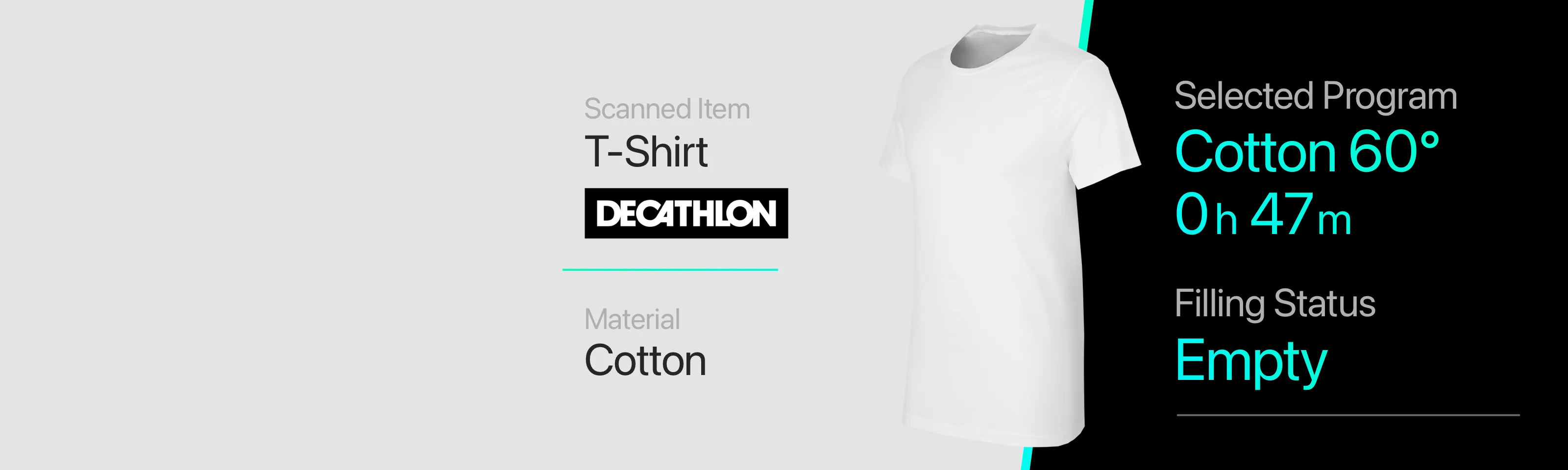
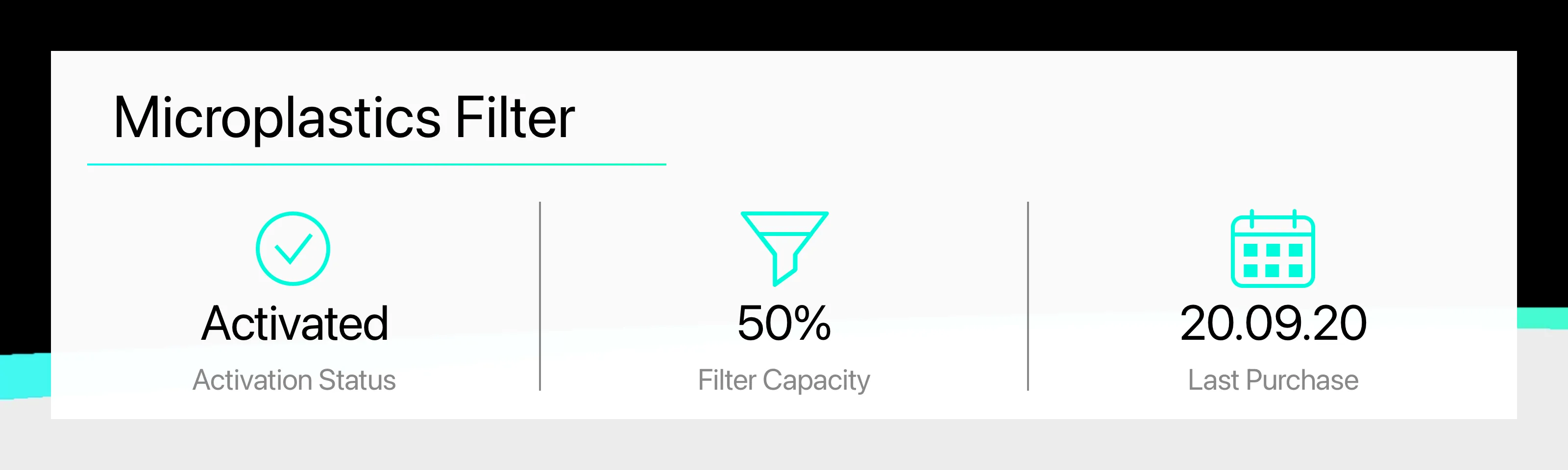
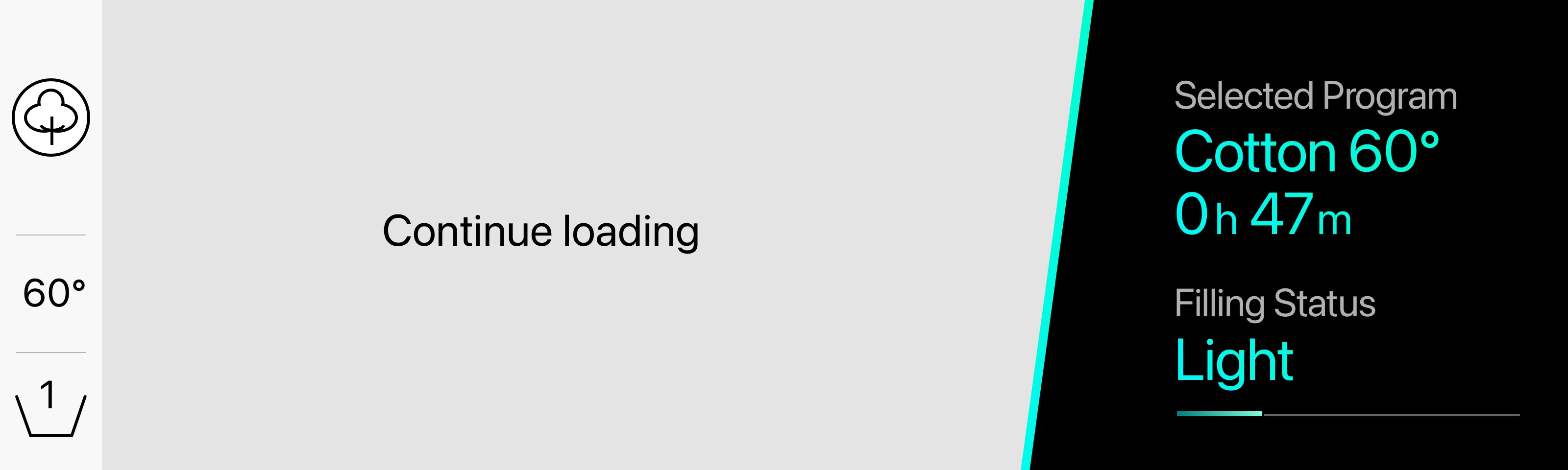
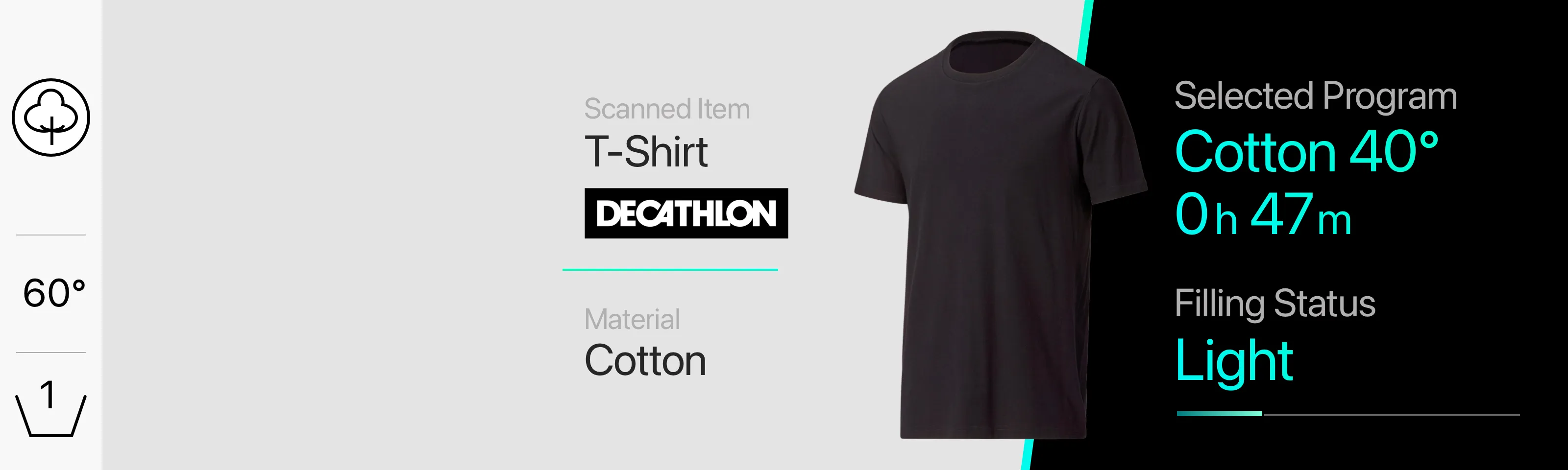
The main interface focuses on a single, central visualization of the wash. It detects filling level, fabric type and load composition, and the display estimates washing time dynamically, based on the actual load. It also indicates the optimal filling ratio, helping users avoid over- or under-loading, and automatically suggests the appropriate washing cycle rather than asking users to choose from dozens of programs, the system adapts to what’s inside the drum.
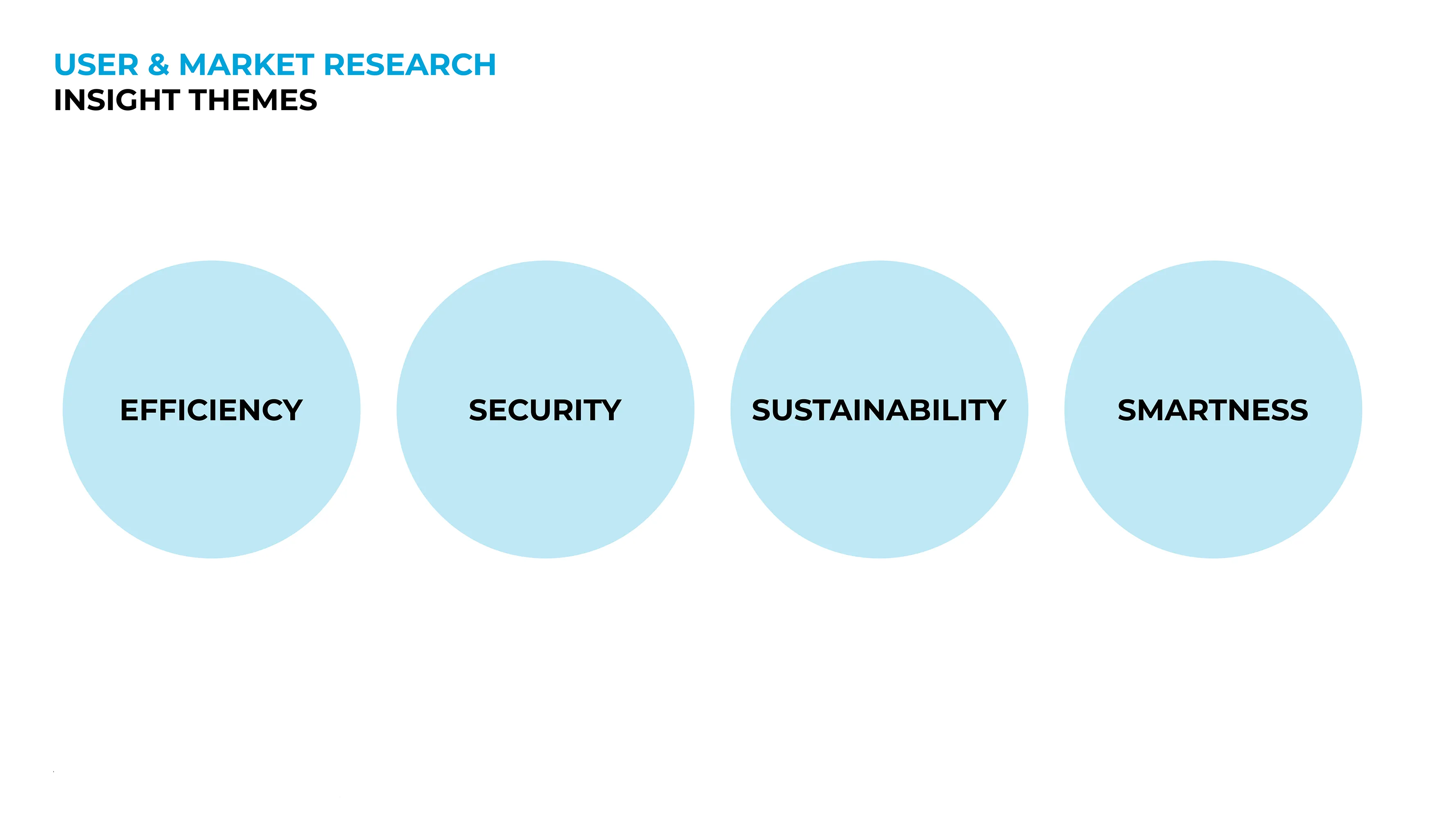
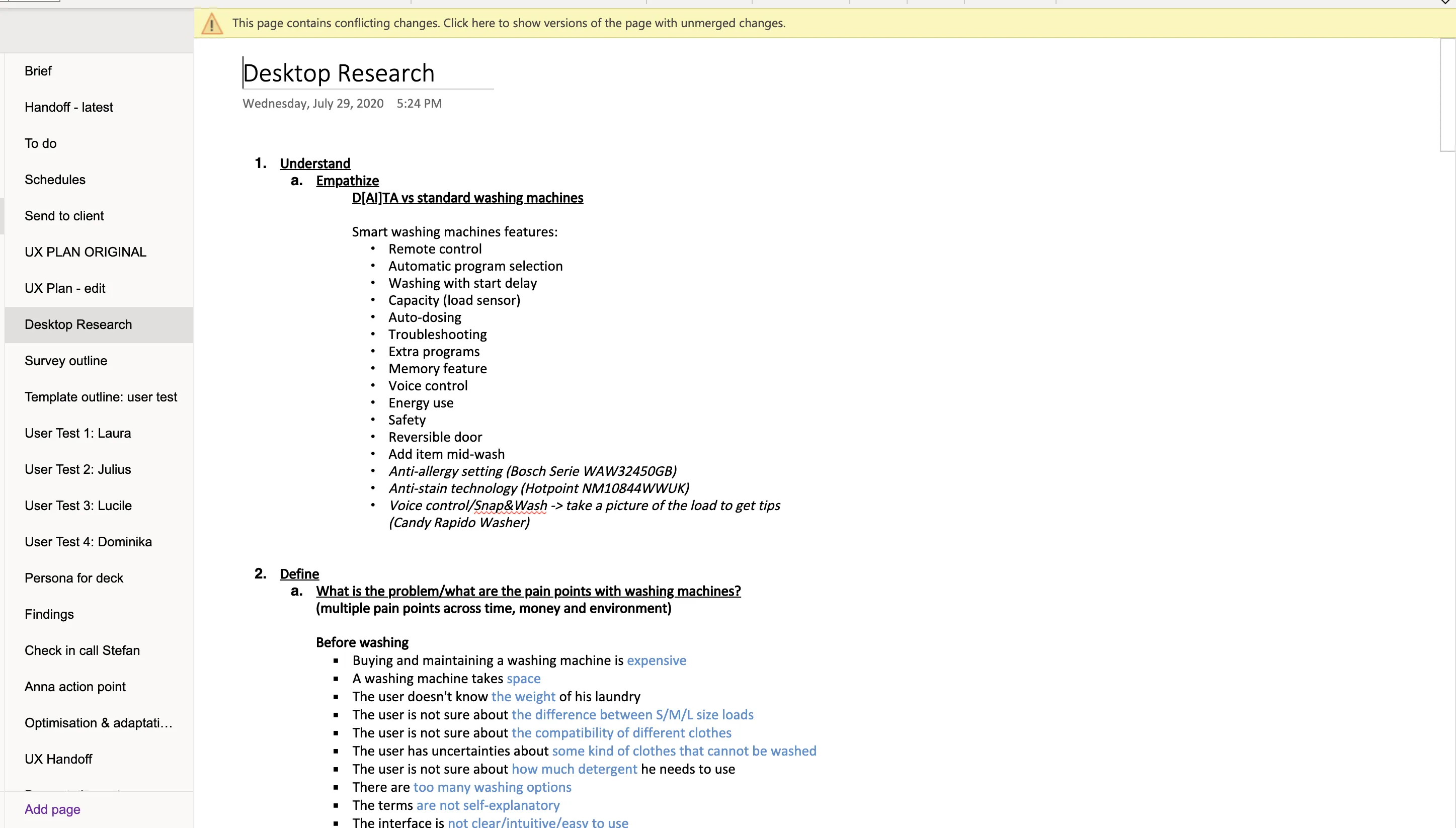
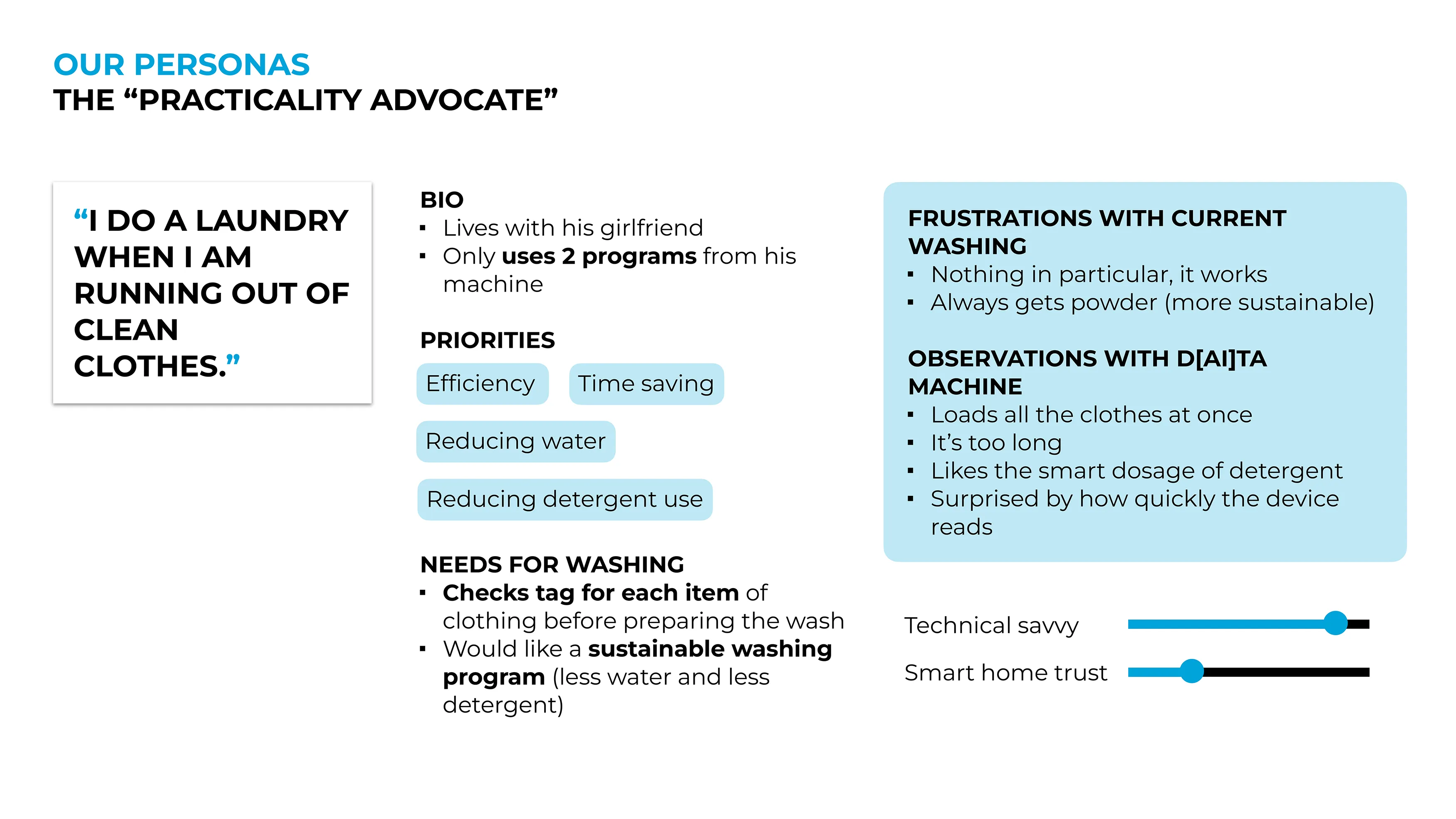
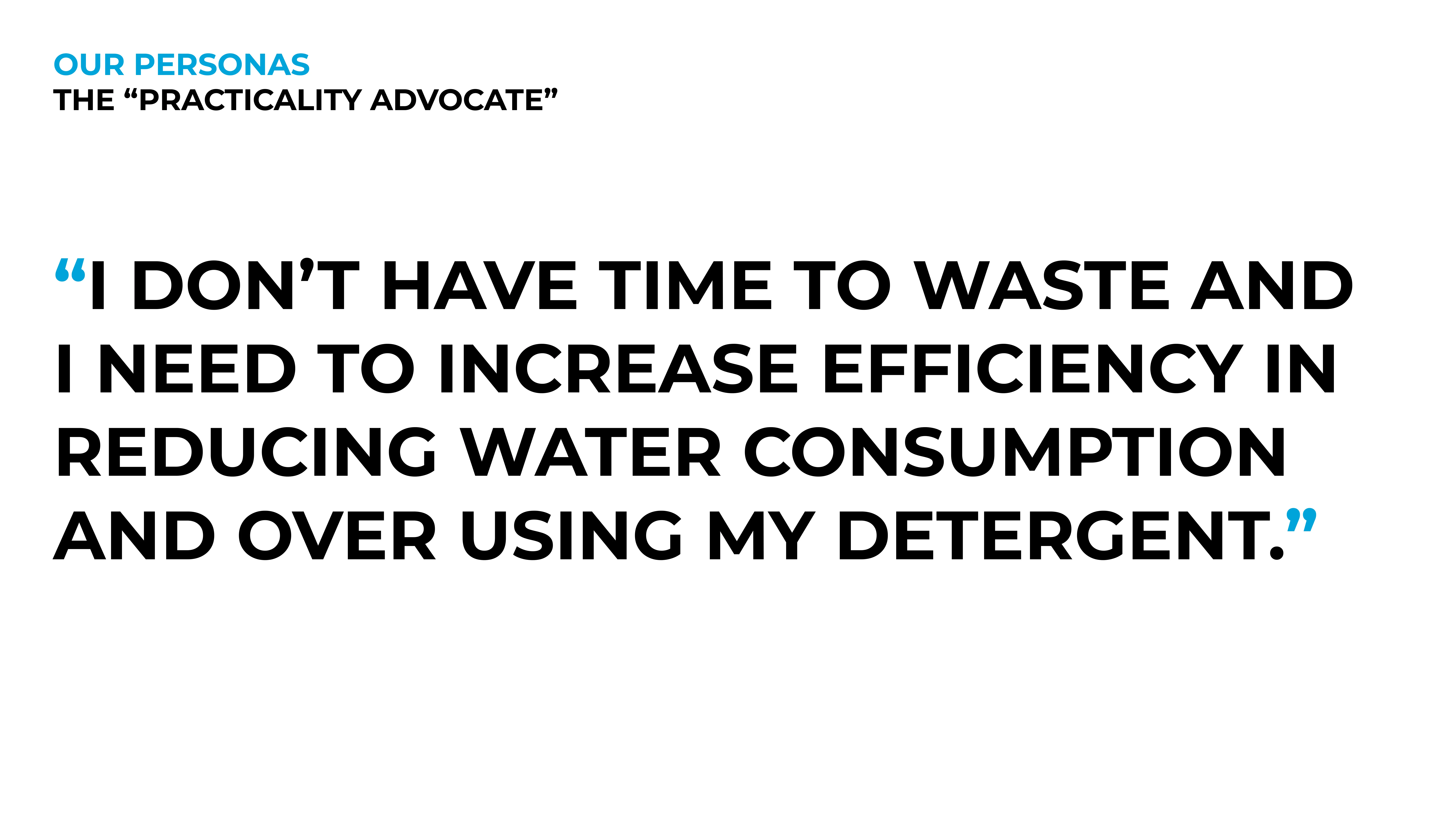
To understand how people actually do laundry, we used a mix of user interviews and competitive analysis of existing washing machine interfaces. Based on research patterns, we also developed personas representing different relationships with laundry: the practicality advocate, the eco-conscious consumer, the careful skeptic and the unafraid home enthusiast.
✧ Visual Design
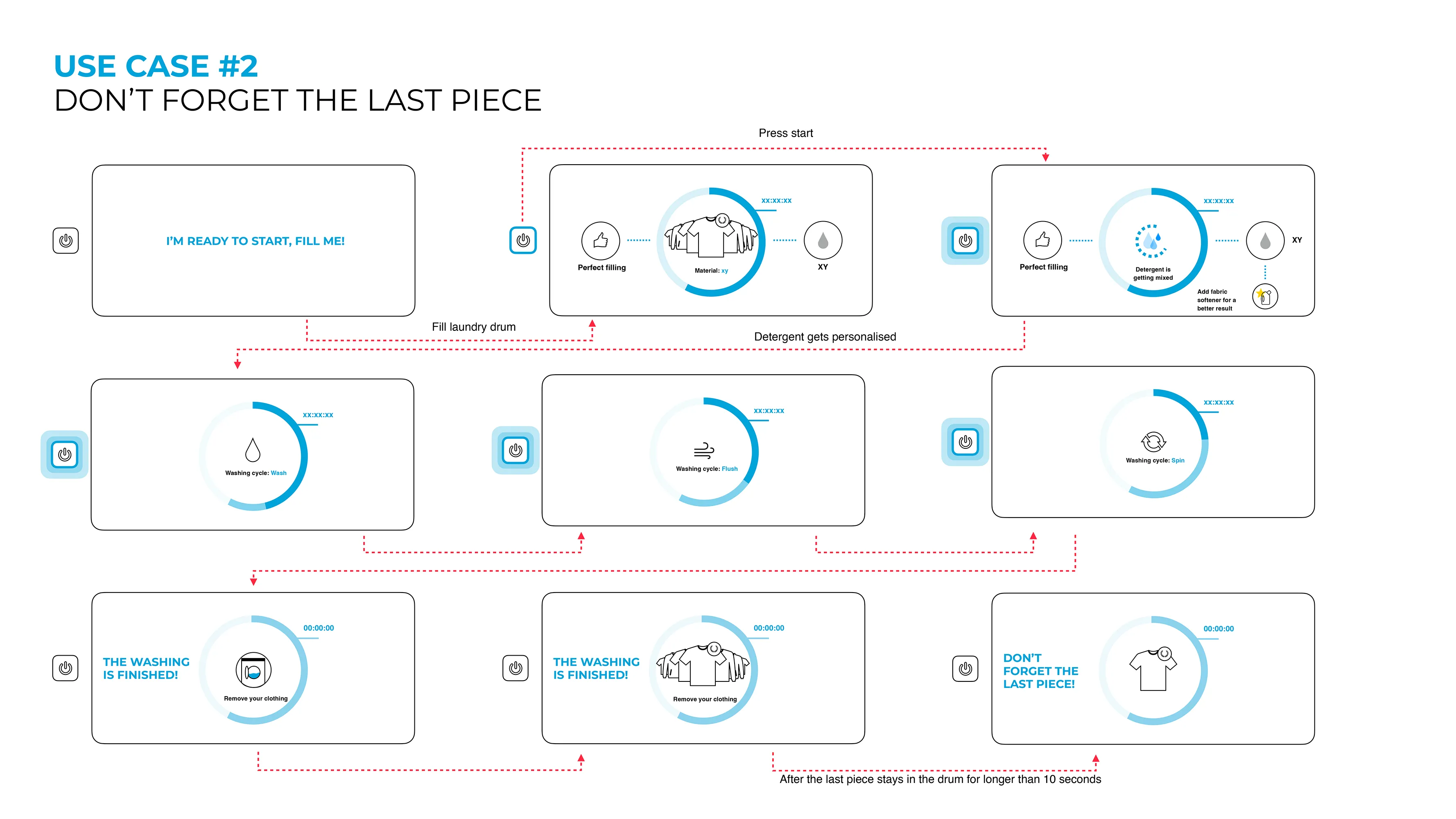
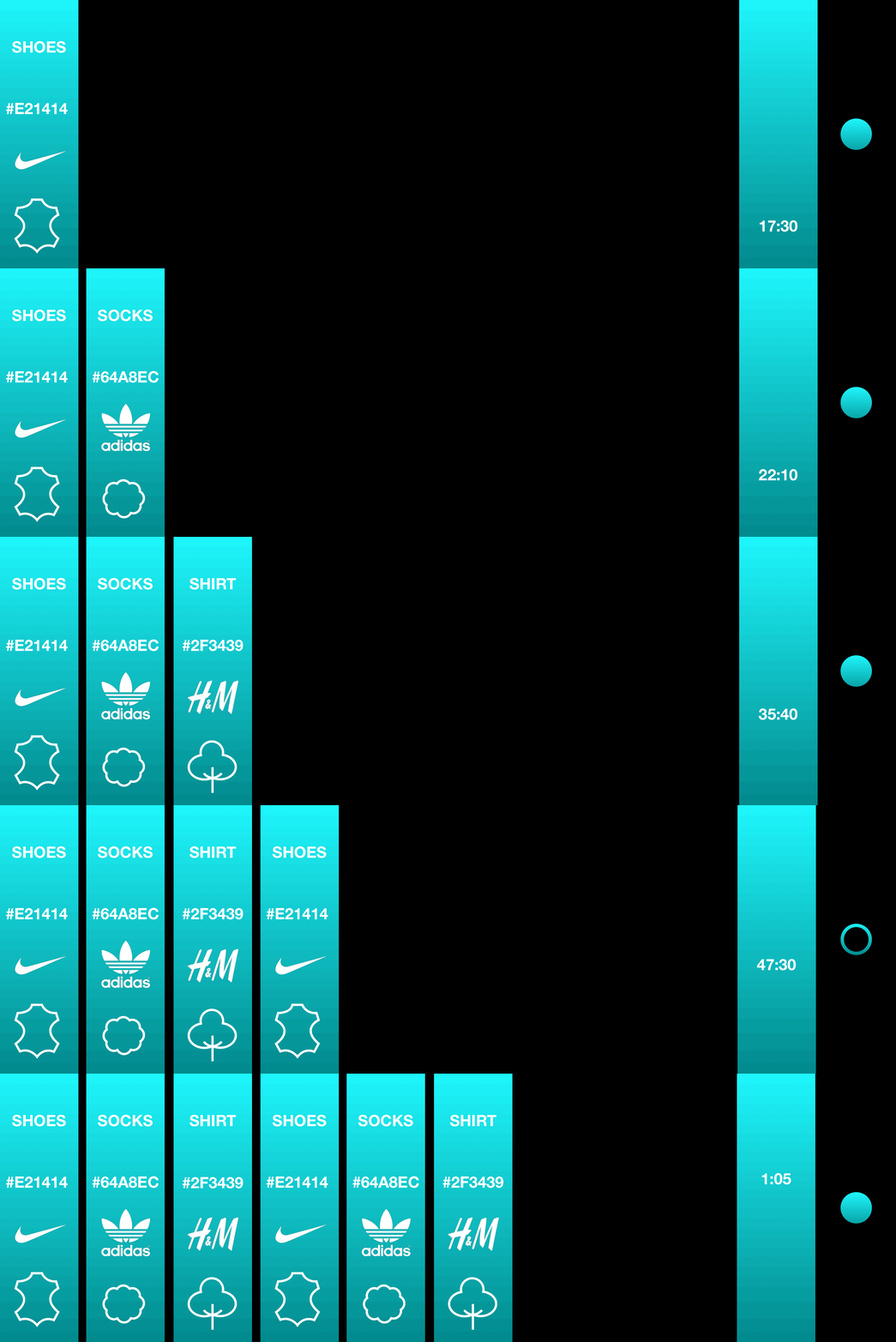
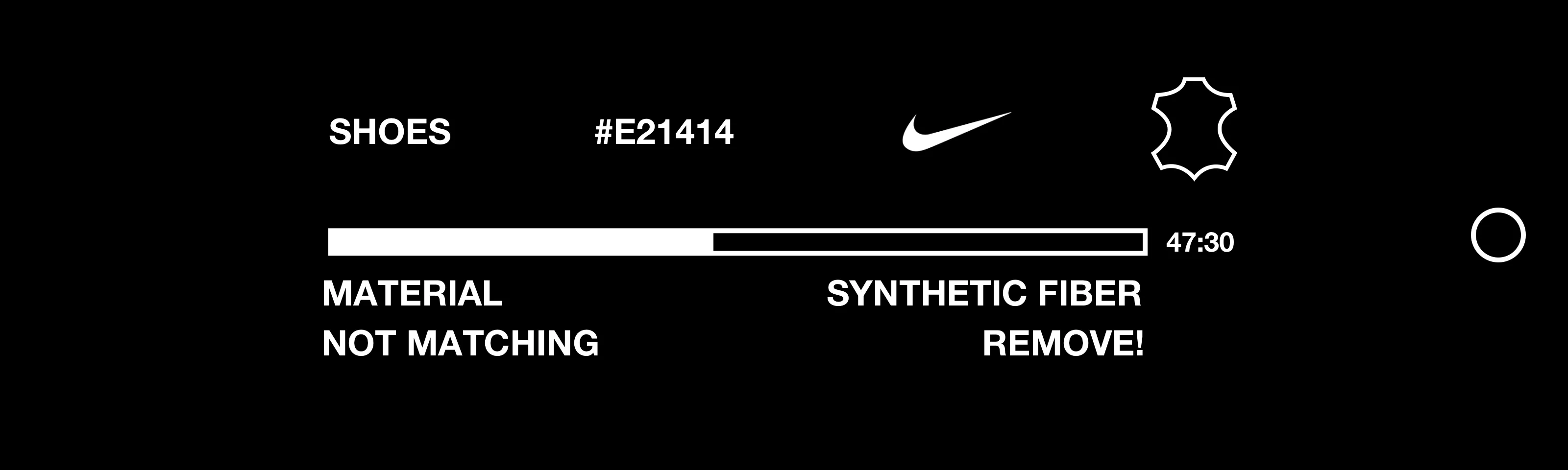
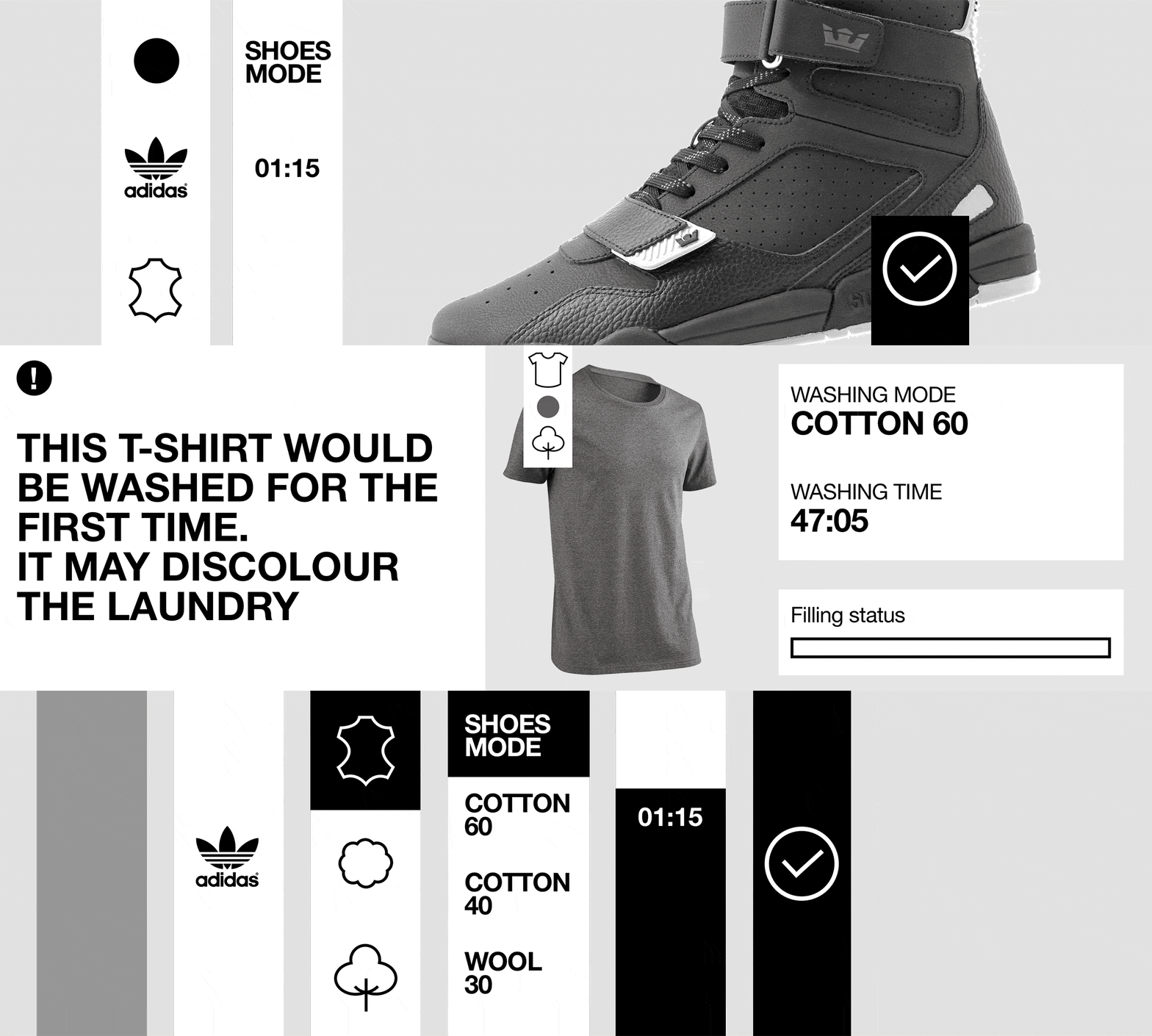
The interface concept centered on clarity, guidance and emotion. The design used light indicators and simple iconography to guide users through each stage of the washing process. Iterations explored two visual directions, from the garments vocabulary, “Stacking” and “The Label”. The interface balanced technical intelligence with visual warmth, reinforcing D[AI]TA’s mission to make technology approachable and sustainable.
![Text 'D[AI]TA' with AI highlighted in brackets on black background.](https://cdn.prod.website-files.com/692edf7851b6c31b4234ee0d/697b77e2c4394f9c89db9912_01_Icon_Screens_0.0_Splash.webp)
![Text reading 'Ready to Use' with stylized 'D[AI]TA' logo on a black background.](https://cdn.prod.website-files.com/692edf7851b6c31b4234ee0d/697b7aaf6d7b1d7b25787add_01_Icon_Screens_0.1_Ready.webp)



![Text displaying 'D[A]TA' with square brackets around the letter A on a black background.](https://cdn.prod.website-files.com/692edf7851b6c31b4234ee0d/697b85b94a85444b66312734_01_Icon_Final.gif)
✧ Outcome
& Learnings
The final interface was implemented and tested on the physical prototype during live demos, receiving positive feedback for its clarity and usability. The project gave me valuable experience in user testing and interviews, helping me learn how to gather insights, analyze feedback and translate findings into improved design iterations. It also strengthened my approach to research-driven design decisions.